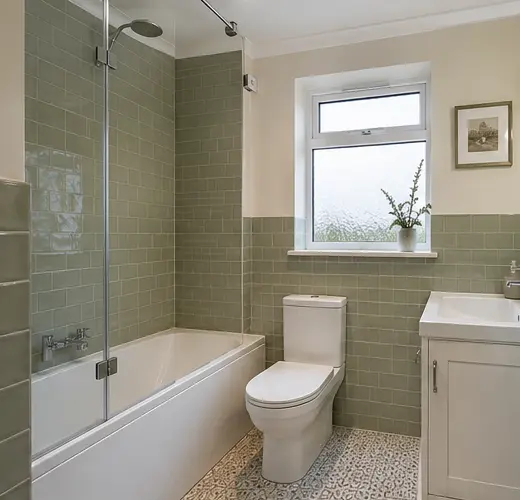
Preparation and Waterproofing
Stable walls, appropriate waterproofing and a sound floor protect everything fitted on top. Cutting corners here can make even expensive products a poor investment.
The Fittings You Touch Every Day
Shower controls, taps, drawers, hinges and the toilet flush all get frequent use. Choose reliable operation and parts that can be reached for repairs before paying for decorative extras.
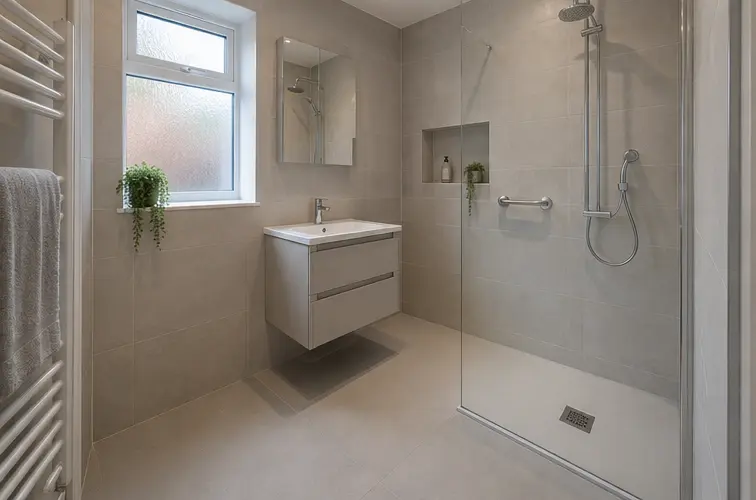
Ventilation and Lighting
Good extraction helps control moisture, while lighting at the mirror and ceiling makes the room easier to use. These systems are disruptive to add after the room is finished.
Compare Standard Sizes and Simple Finishes
A simple colour scheme, standard product sizes and sensible plumbing positions can protect the budget without making the bathroom look cheap. One or two strong features often have more impact than many small upgrades.
Deal With Existing Damage First
If a floor feels soft, water escapes from the shower or wall finishes are coming loose, have the cause checked before choosing new furniture. Covering the problem with a different surface may leave the same fault underneath. The initial survey can identify visible issues, but some damage only appears after the old room is removed.
Ask the fitter to distinguish essential repairs from optional improvements. A sound floor and correctly prepared shower area support the whole bathroom. Keep the repair description and price in writing, and ask what could happen if a suggested repair is left out. This helps you judge its value without relying on a vague instruction to spend more.
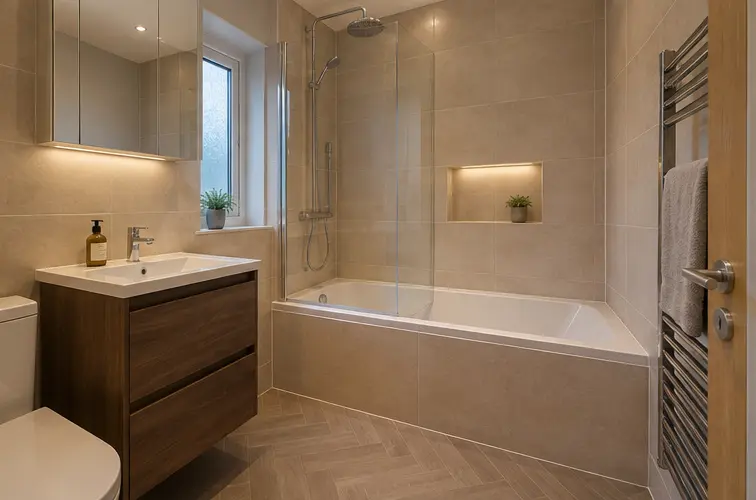
Spend on Fittings You Can Use Comfortably
Try a tap handle, cabinet drawer or shower control where possible. Check whether it is easy to grip, turn and clean. A striking finish is less useful if the handle is uncomfortable or the drawer cannot hold what you need. Compare the dimensions and usable storage, not simply the product range name.
Ask about replacement cartridges, hinges and other service parts. Keep the model details after fitting so future repairs can be identified. A product should be selected for your water supply, room and intended use. Paying more does not automatically make it suitable, and a simpler item may do the required job well.
Put Useful Storage Into the Layout
Look at the items currently left around the basin and bath. A cabinet sized for those items can improve daily use more than another decorative feature. Check how much space the basin waste pipe takes from a drawer and whether taller bottles fit upright.
If the room is small, compare shallow cabinets, mirrored storage and shelves at reachable heights. Do not spend on a large vanity that blocks the shower entrance or bathroom door. Good storage starts with a measured layout. Decide which items belong in the bathroom and which spares could be kept elsewhere before ordering additional cupboards.
Plan Electrical Work Before Finishing the Walls
An illuminated mirror, fan or additional light may need cables placed before the walls are tiled or panelled. Decide what is useful at the planning stage so the electrical work can be included. Adding the same feature later may mean reopening a finished surface.
Keep the lighting practical: clear light at the mirror and enough general light to move around the room. Ask the electrician about suitable fittings and controls for their bathroom positions. Choose the fan for the room and its route outside, rather than choosing only the quietest-looking product in a catalogue. The full arrangement affects how it performs.
Save by Keeping a Layout That Works
Moving the toilet or main waste connection can add work. If the existing positions are comfortable, compare a refit that keeps them before paying for a complete rearrangement. Different cabinet depths, a better screen opening or a smaller bath may solve the problem without moving every pipe.
There are times when a changed layout is worthwhile, particularly for easier access or a properly usable shower. Ask what the move achieves and what work it adds. A clear comparison lets you choose the improvement knowingly. Keeping the old layout is not a saving if it leaves the main difficulty unchanged.
Choose One Feature and Keep Other Finishes Simple
A coloured cabinet, patterned floor or attractive wall finish may be the part you most want. Compare its cost within the whole quote, then choose simpler surrounding finishes if needed. This can keep the room consistent without paying for a different feature on every surface.
Standard product sizes may offer more choice and easier replacements than unusual sizes. Check samples together before ordering, including trims and grout colours. Avoid buying discounted items first and asking the fitter to make them work later. The saving can disappear if the product needs extra preparation or does not fit the agreed layout.
Keep Some Money for Unplanned Repairs
A bathroom budget should allow for the condition of the existing room as well as new products. Ask which uncertainties remain after the survey. Keep money for those repairs separate from the amount you intend to spend on optional upgrades.
If no extra repair is needed, that money does not have to be spent. When a change is proposed, ask for its full fitted cost and any effect on timing before accepting. Keep the revised quote and product list together. This gives you control over spending without asking the team to hide defects or omit work needed for the bathroom to function properly.
For the fitting work, see Bathroom renovations.