
A Straight Replacement Is Usually Quicker
Replacing fittings in similar positions often takes less time than changing the whole layout. Moving the toilet, building a level-access shower or repairing the floor adds stages that should not be rushed.
Preparation Can Change the Schedule
Walls and floors must be sound before the new bathroom is fitted. Hidden water damage, old pipework or uneven surfaces can add time, but fixing them protects the finished room.

Products Should Be Ready Before Work Starts
Missing shower screens, damaged furniture or late tile deliveries cause avoidable delays. Confirm the main items and delivery dates before the old bathroom is removed.
Ask for a Simple Work Plan
Your fitter should explain the expected order of work and tell you when the toilet or shower may be unavailable. Leave some room for unexpected repairs, especially in an older property.
Separate Planning Time From Fitting Time
The time spent choosing products and preparing a quote comes before the work in your home. Special-order cabinets or screens may have their own delivery times. Ask which dates refer to ordering, delivery and the team starting on site so the whole process is clear.
Do not arrange around a hoped-for installation date before the main items and work are agreed. Check who confirms that deliveries are complete and undamaged. A missing fitting discovered after the old bathroom has been removed can be harder to manage than a delay identified while you still have a working room.
Ask for the Main Stages in Order
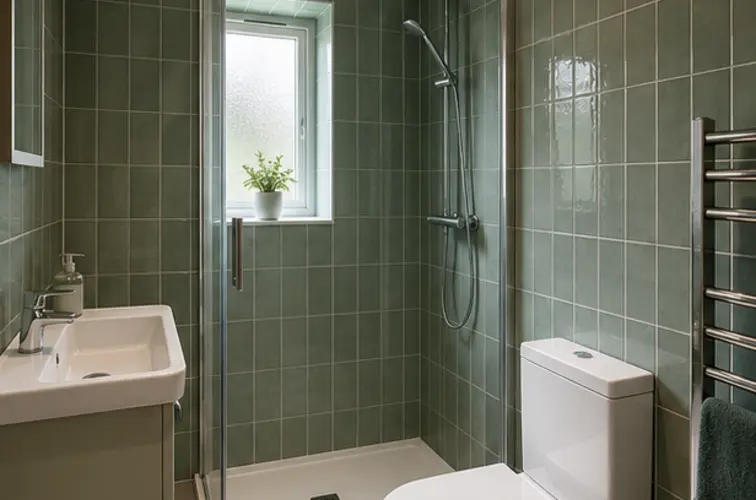
A typical refit involves removal, repairs and preparation, plumbing and electrical work, wall and floor finishes, then fitting and testing. The exact order depends on the room and products. Ask your fitter to explain the planned stages in ordinary language rather than promising a fixed number of days without inspecting the job.
Some tasks depend on another stage being ready. A screen may need finished walls to measure against, and sealants or adhesives need the time stated in their instructions. Several trades cannot always work efficiently in a small room at once. A sensible timetable includes these dependencies instead of treating every day as interchangeable.
Allow for Problems Found During Removal
Old leaks, loose boards or unsuitable pipework may only become visible when the bathroom is stripped out. Ask how the fitter will explain these problems and give a revised timescale. Photographs and a short written note can make the change easier to understand.
The repair may also require materials that were not part of the original order. Ask which work can continue while those items are obtained and what must wait. Rushing to hide a damaged surface can cause more trouble later. The important point is to understand why the plan has changed and when the next update will come.
Plan Around Losing the Bath or Shower
Ask when each facility will stop working and when it is expected to be usable again. If this is the only toilet or shower, raise that before accepting a start date. Do not assume temporary reconnection is possible every evening; the answer depends on the work being done.
Agree any access arrangements for family members who need assistance. Keep children and pets away from tools, exposed fittings and stored materials. Explain working-from-home commitments or shared entrances that affect the team’s access. These arrangements may not shorten the job, but they can make the period without a finished bathroom easier to manage.
Make Decisions Before They Hold Up Fitting
Choose the main sizes, finishes and positions before installation starts. A late change to a cabinet or shower tray can affect pipes, wall finishes and delivery dates. If you do want to change something, ask about its cost and timing before approving it.
Keep one final product list and layout available to everyone involved. Label revised drawings clearly and confirm decisions in writing rather than relying on a conversation at the doorway. Small details such as a screen hinge direction or mirror position can still stop the next stage if nobody knows which version has been agreed.
Include Testing and Final Repairs
The job is not finished simply because the bath and basin are in place. Leave time to test the taps, shower, toilet, lighting and fan, check seals and identify any small faults. Ask how those faults will be recorded and when they will be dealt with.
Check when the shower or bath can first be used. Follow the fitting products’ instructions for any curing time rather than assuming use is safe as soon as the team leaves. Keep care instructions and relevant paperwork together. Knowing how the room should be used and maintained is part of a useful handover.
Agree How You Will Receive Updates
Ask who your main contact will be and how changes to the timetable will be explained. A short update can tell you which stage is complete, what happens next and whether a decision is needed from you. This is especially helpful when you cannot be at home during the day.
If a delay occurs, ask for the cause, the expected effect and the next date that can realistically be confirmed. Avoid treating an estimate as a guarantee. Keep agreed changes with the quote so there is a clear record of the work and dates everyone is using.
For the fitting work, see How installation works.