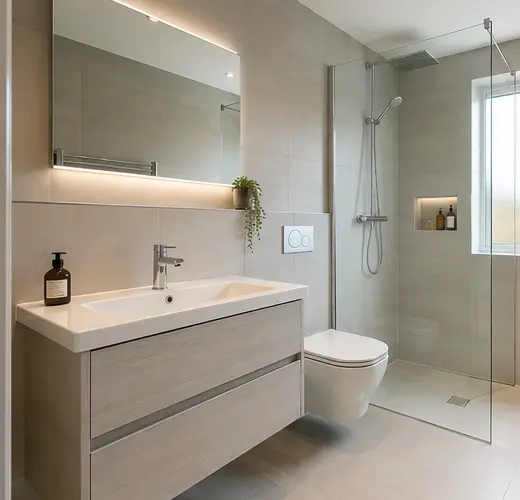
The Existing Room Comes First
Removing the old bathroom can uncover damaged floors, weak walls or plumbing that needs attention. A fitter should inspect the room and explain any likely preparation before giving a final price.
Layout Changes Add Work
Keeping the toilet, basin and shower near their current positions can reduce labour. Moving them may still be worthwhile when it creates safer access, better storage or more room to move.
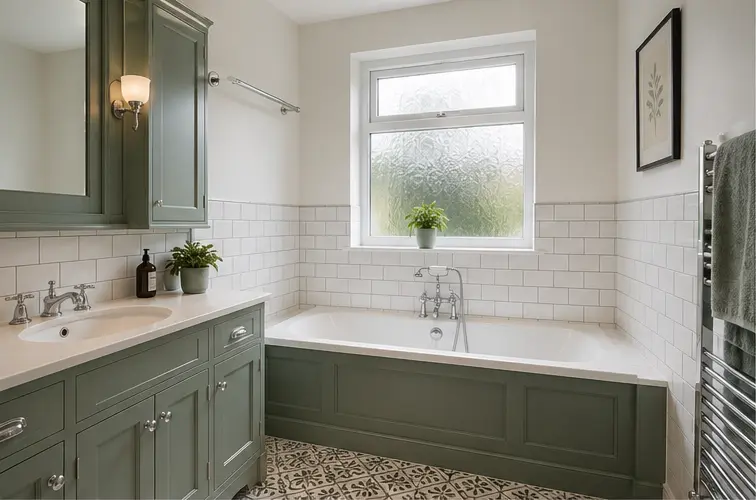
Products Create a Wide Price Range
Baths, showers, furniture, taps and wall finishes come at many price points. Spend first on reliable items you touch every day, then decide where a special finish will make the biggest difference.
Compare What Each Quote Includes
Check removal, waste, plumbing, electrical work, wall preparation, flooring and final finishing. A cheaper quote can cost more later if important work has been left out.
- Ask for a clear list of work
- Check which products are included
- Confirm who handles waste
- Ask how changes will be agreed
Compare Quotes for the Same Bathroom
Give each company the same room information and the same main requirements. A quote for replacing fittings in their existing positions cannot be fairly compared with one for moving the shower, changing the floor and adding lighting. Write down the changes you want before requesting prices.
Ask each quote to identify the products or allowances included. An allowance is an amount set aside for an item that has not yet been chosen. Check what it can actually buy and how any difference will be charged. A low allowance can make a headline total look attractive while leaving more to pay after you choose the fittings.
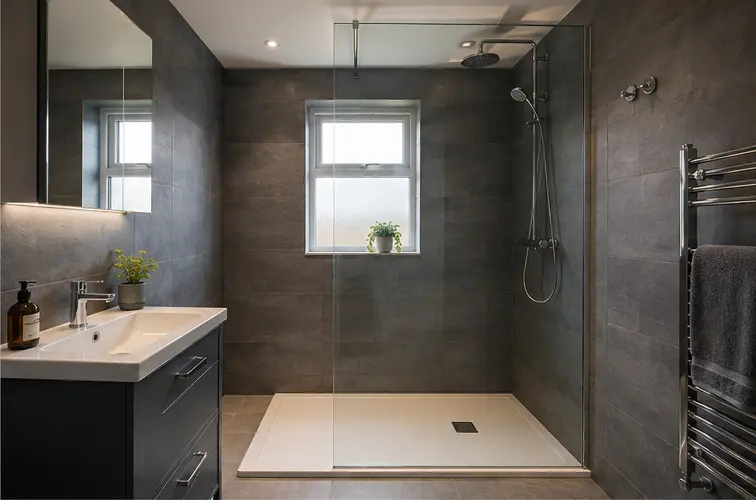
Check Removal, Waste and Preparation
The cost of the new suite is only part of a refit. The old bath, toilet, tiles and flooring have to be removed where the plan requires it. Ask who takes away the waste and whether its disposal is included. Check whether protection for the route through the home is part of the work.
Walls and floors may need levelling, strengthening or repairs before new finishes are fitted. The initial survey should explain visible problems and remaining uncertainties. Ask how hidden damage will be shown to you and priced. Do not assume every possible repair is included unless the quote says so clearly.
Understand the Cost of Moving Fittings
A new toilet position may require changes to a larger waste pipe, while moving the shower can affect drainage, water pipes and surrounding finishes. Ask the fitter to show what those changes involve in your room. A different layout can be worthwhile, but it should solve a clear problem.
Compare an alternative that keeps the main connections if your budget is tight. Changing a cabinet depth or shower screen sometimes improves access without as much disruption. The useful saving is the amount that still leaves you with a comfortable bathroom. A cheaper layout that keeps an unusable shower entrance may not meet the purpose of the renovation.
Check the Smaller Products and Finishing Jobs
Look for taps, wastes, screens, bath panels, mirrors and towel rails in the product list. A photograph of a complete suite does not establish that every item in it is included. Confirm what you are expected to supply yourself and who checks those items before fitting.
Also ask about ceiling repairs, decoration, skirting and work around the doorway. The room can look unfinished even after the main fittings are installed if these jobs are excluded. Ask whether the quote includes final sealing, testing and dealing with any small faults. Clear detail is more useful than a broad promise of a complete bathroom.
Separate Repairs From Changes You Choose
An unexpected damaged floor is different from deciding to upgrade the shower during installation. Both can alter the total, but the quote revision should explain which applies. Ask for the work and price before giving approval, and keep the written reply.
A product change may affect labour as well as the purchase price. A different vanity can require new pipe positions, and an illuminated mirror can require wiring. Ask for the total fitted difference rather than comparing catalogue prices alone. Record any saving as well as any additional charge when the agreed work changes.
Understand Payments Before Agreeing
Ask when payments are due and what each stage covers. Keep the payment schedule with the accepted quote and check that it matches the discussions you have had. If a deposit covers ordered products, ask which items and what arrangements apply if the plan changes.
If borrowing is offered, compare the total amount repayable, payment period and conditions rather than looking only at a weekly figure. Do not assume a small advertised payment represents the whole fitted cost for your room. Take time to read the information and ask for an explanation of any amount or term you do not understand.
Discuss Your Main Bathroom Changes
Before the home visit, list the parts of the current bathroom that cause the most trouble. This helps the fitter explain which changes give a practical benefit and which are mainly decorative. Keep the essential work separate from extras you could leave out.
After receiving the quote, check it against that list. Does it solve the cramped shower, lack of storage or damaged finish you wanted to change? Keep some money available for reasonable uncertainties in the existing room. A useful bathroom budget is based on an agreed job and products, rather than a general price copied from another home.
For the fitting work, see Bathroom renovations.